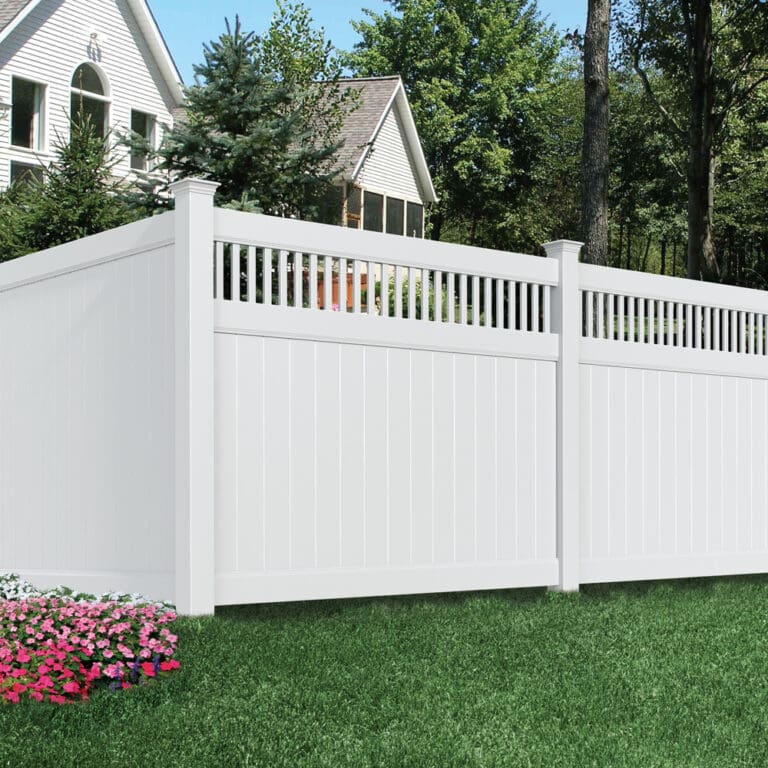
As spring settles in and we head into the warmer months of summer, it’s the perfect time to take a closer look at your outdoor spaces, including your fence. After a long winter of snow, moisture, and debris buildup, your fence likely needs some attention. Regular cleaning not only improves curb appeal but also extends the lifespan of your investment. But how often should you clean your fence? The answer depends on the material, environmental conditions, and how much wear and tear it experiences throughout the year.
Below, we break down cleaning recommendations for wood, vinyl, and aluminum fences so you can keep your property looking its best all season long.
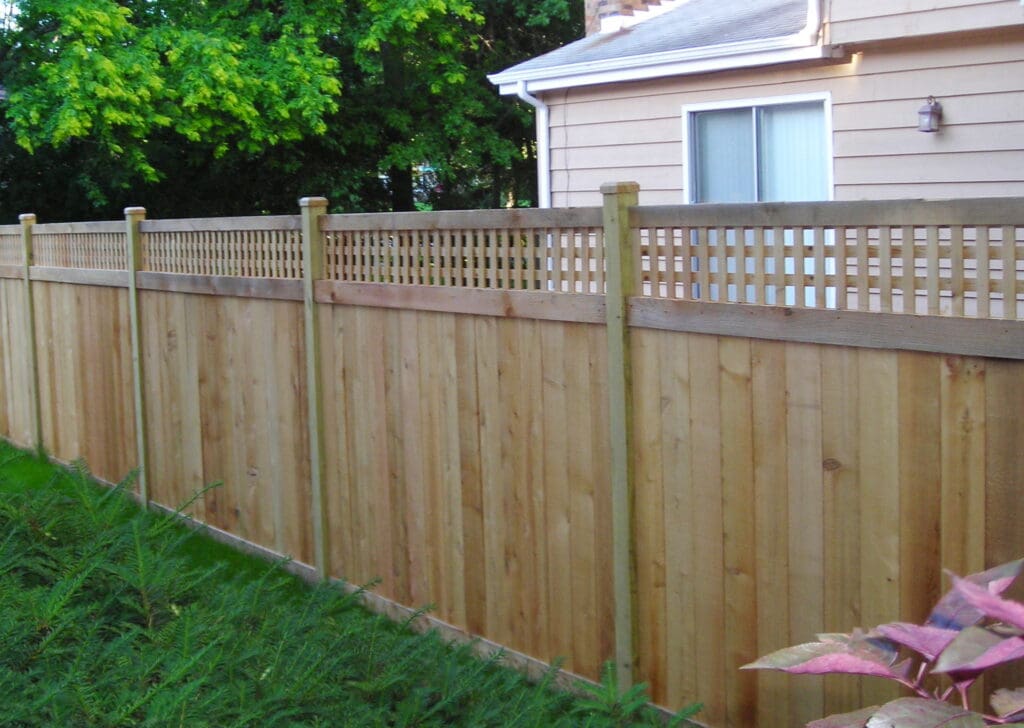
Cleaning a Wood Fence
Wood fences are a classic choice for their natural beauty, but they do require the most maintenance. Because wood is porous, it easily absorbs moisture, dirt, algae, and mildew—especially after a wet winter.
In general, you should clean a wood fence at least once a year, ideally in the spring. This timing allows you to remove any grime, mold, or mildew that developed over the colder months. A thorough spring cleaning also prepares the surface for staining or sealing, which is essential for protecting the wood from sun exposure and humidity during summer.
However, if your fence is located in a shaded or damp area, you may need to clean it about every 6 to 12 months. Green or black discoloration is a clear sign that algae or mold is forming and should be addressed promptly.
Using a combination of a wood-safe cleaner and a gentle pressure wash can effectively restore the fence’s appearance. Just be cautious with pressure settings, as too much force can damage the wood fibers.
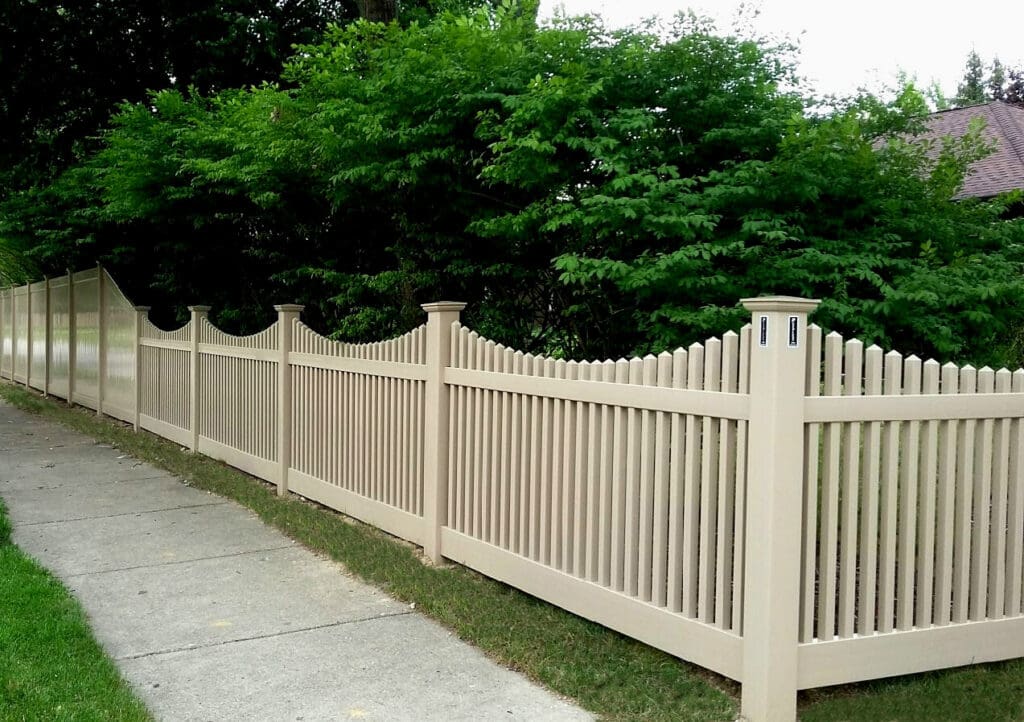
Cleaning a Vinyl Fence
Vinyl fencing is popular for its low maintenance and durability, making it an appealing option for homeowners who want a clean look without constant upkeep. Unlike wood, vinyl doesn’t absorb moisture, so it resists mold and rot. However, it can still accumulate dirt, pollen, and mildew especially during spring and summer.
For most homes, cleaning a vinyl fence once or twice a year is sufficient. A spring cleaning is highly recommended to wash away winter residue and prepare for outdoor entertaining season. If your area experiences high pollen counts or frequent rain, a second cleaning in late summer or early fall can help maintain its bright appearance.
Routine cleaning is simple: a garden hose, mild soap, and a soft brush or cloth will usually do the trick. For tougher stains, a specialized vinyl cleaner can be used. One of the biggest advantages of vinyl fencing is that it doesn’t require painting or sealing, so once it’s clean, you’re good to go.
If you notice green spots or streaks, it’s likely mildew starting to form. Addressing it early prevents it from spreading and keeps your fence looking like new.
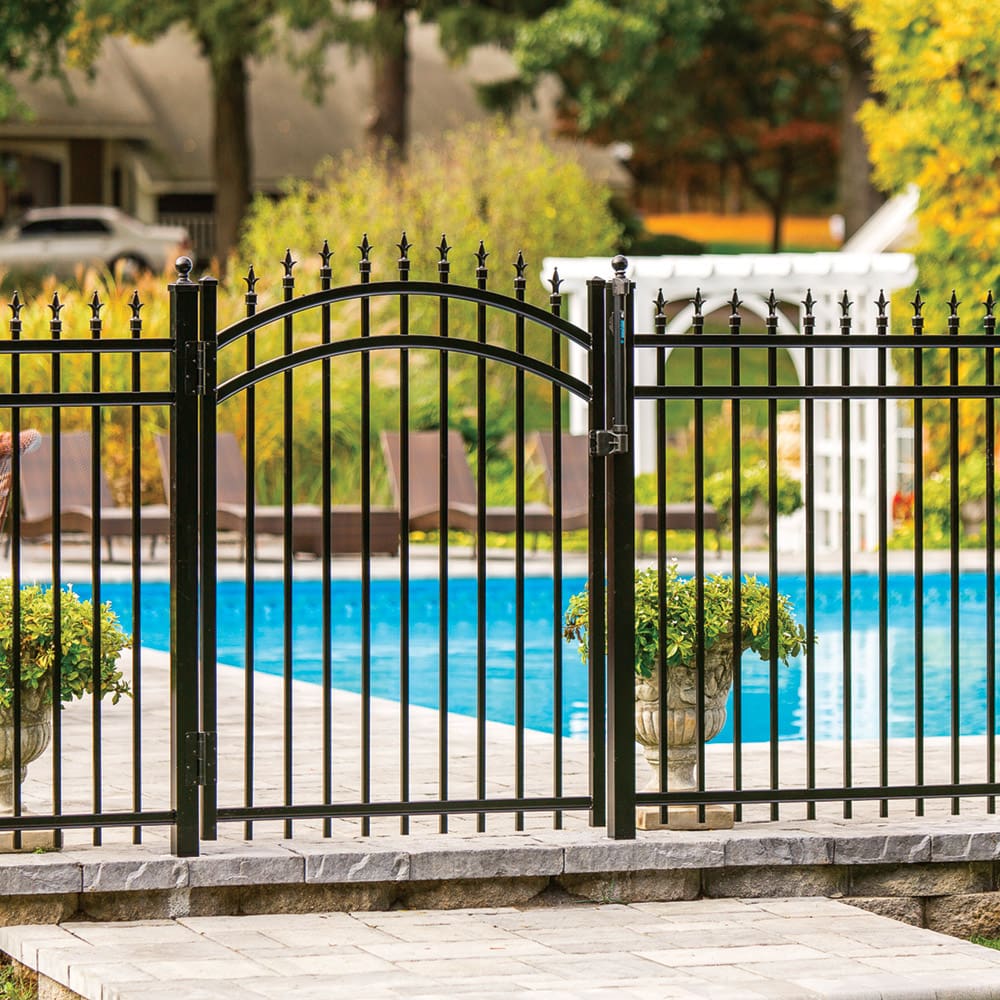
Cleaning an Aluminum Fence
Aluminum fences are known for their strength, rust resistance, and sleek appearance. They’re often used for decorative purposes or to enclose pools and yards without obstructing the view. Like vinyl, aluminum is relatively low maintenance, but it still benefits from occasional cleaning.
A good rule of thumb is to clean your aluminum fence once per year, preferably in the spring. This helps remove dirt, salt residue (especially if you live in areas where roads are salted during winter), and other debris that may have accumulated.
If your fence is near landscaping features like sprinklers, you might notice water spots or mineral deposits forming over time. In that case, a second cleaning later in the summer can help maintain its finish.
Cleaning aluminum fencing is straightforward. Warm water, mild detergent, and a soft cloth or sponge are usually all you need. Avoid abrasive materials that could scratch the protective coating. A gentle rinse with a hose will leave the fence looking refreshed.
Why Spring Is the Best Time to Clean Your Fence
Spring is the ideal season to tackle fence maintenance for several reasons. First, it allows you to address any damage caused by winter weather, such as staining, warping, or buildup of organic material. Second, cleaning your fence early in the season sets the stage for outdoor activities, ensuring your yard looks inviting for gatherings, barbecues, and relaxation.
Additionally, warmer temperatures and longer days make cleaning projects easier and more efficient. For wood fences in particular, spring cleaning is often the first step before applying a protective sealant, which helps guard against intense summer sun and humidity.
Signs Your Fence Needs Cleaning Sooner
While annual cleaning is a good baseline, certain signs indicate your fence may need attention sooner:
- Visible mold, mildew, or algae growth
- Discoloration or staining
- Dirt buildup from nearby landscaping or construction
- Pollen accumulation during peak allergy season
- Water spots or mineral deposits
Ignoring these issues can lead to more stubborn stains or even long-term damage, especially for wood fencing.
Peerless Fence
The frequency of fence cleaning ultimately depends on the material and your local environment, but a consistent maintenance routine goes a long way. Wood fences typically need the most care, often requiring annual or semi-annual cleaning. Vinyl and aluminum fences are more forgiving but still benefit from a yearly wash especially in the spring.
As we move into summer, taking the time now to clean your fence will pay off in both appearance and longevity. A well-maintained fence not only enhances your home’s curb appeal but also protects your investment for years to come.
If you ever need assistance, remember; Peerless Fence is your destination for fence maintenance!