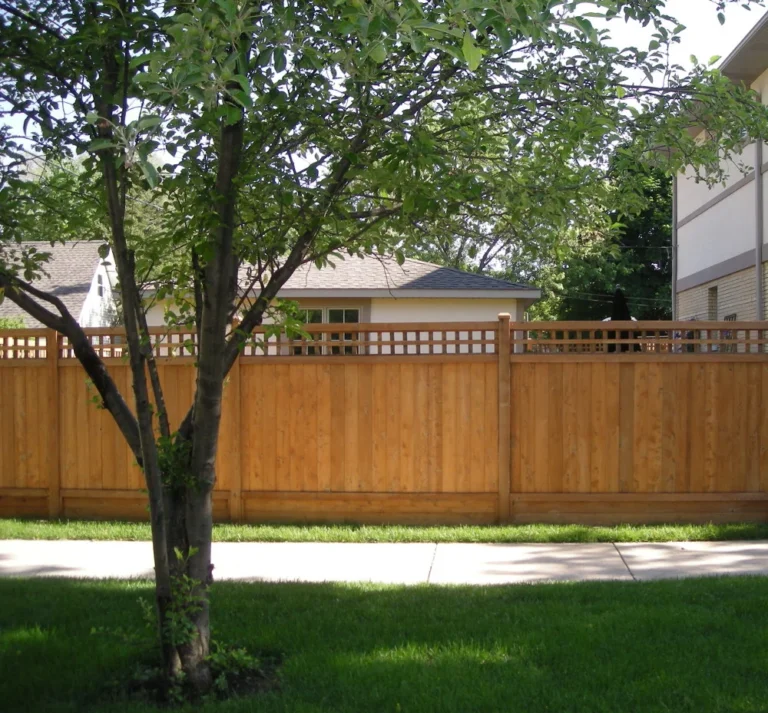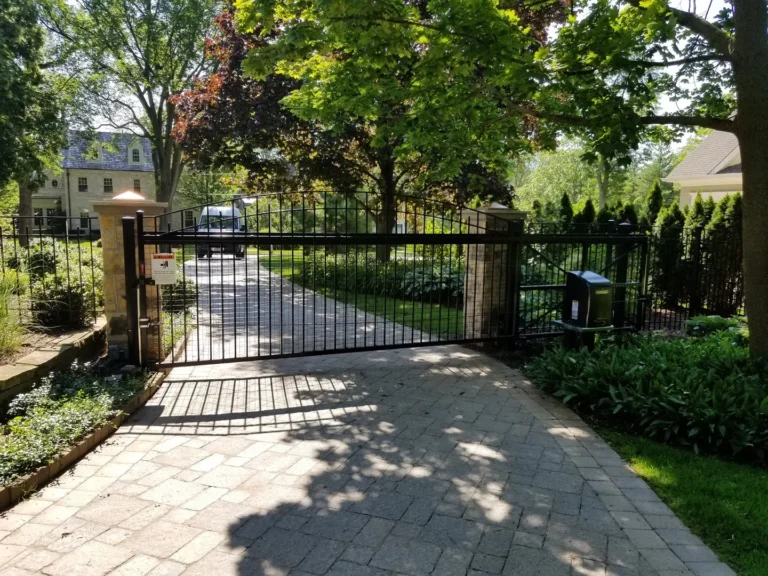
Do I need a permit to build a fence? In many communities, yes, but the requirements depend on your local building and zoning regulations. Some municipalities require permits for new or replacement fences, while others allow certain projects without one.
- Permit requirements: Local building and zoning regulations determine whether your fence needs approval.
- What affects approval: Fence height, location, materials, property lines, and HOA rules all play a role.
- How to get approved: Check local requirements, submit the necessary documents, and secure approval before installation.
Before installing a new fence, it’s important to understand your local permit requirements. Skipping this step can cause delays, fines, or changes to your project.
Peerless Fence has served homeowners and businesses throughout Illinois, Indiana, Ohio, and Wisconsin since 1961. This guide covers fence permit requirements, application steps, costs, timelines, and local regulations so you know what to expect before installation.
When Do You Need a Fence Permit?
Fence permit requirements depend on your municipality, property zoning, and fence design. Some projects require a building permit, zoning approval, or both.
| Fence Project | Requirements to Verify |
| Backyard fence | Permits, height limits, setbacks |
| Front-yard fence | Height, visibility, materials |
| Privacy fence | Height, design, placement |
| Pool fence | Safety barriers, gates, inspections |
| Replacement fence | New permit or approval requirements |
| HOA property | HOA and municipal approvals |
Front Yard vs. Backyard — Why Location Changes the Rules
Front-yard fences often face stricter height and design restrictions than backyard fences. For example, Wheaton, Illinois limits front-yard fences to three-foot decorative open styles but allows solid or open fences up to six feet in other designated yard areas. Corner lots have additional restrictions based on location and street traffic.
HOA Approval Is Not the Same as a Building Permit
If you live in an HOA community, you may need association approval in addition to municipal permits. Your HOA may restrict fence height, style, or materials, and city approval doesn’t override those rules. Review our HOA fence approval process guide before starting your project.
How the Fence Permit Application Process Works
Getting a fence permit involves checking local requirements, preparing documents, and securing approval before installation. Here’s how it works:
Step 1: Check Your Local Municipality’s Rules
We contact your city, village, township, or county building department to confirm permit and zoning requirements. We’ll also check your property’s zoning classification, as residential and commercial properties may follow different rules.
Note: Many municipalities publish requirements online. If your property sits outside city limits, we’ll check with your county.
Step 2: Prepare Your Site Plan and Application Materials
Most applications require a site plan or plat of survey showing property boundaries and the proposed fence location. We may also need to provide:
- Fence height and materials
- Gate and post locations
- Property owner or contractor information
- Fence layout and dimensions
Note: An accurate survey identifies property lines and easements that could affect installation. Review our guide to fence project planning before gathering your documents.
Step 3: Submit Your Fence Permit Application
We’ll submit your application to the appropriate building or zoning department online, by mail, or in person, depending on local procedures. Application fees may apply to standard fence permits, zoning certificates, special approvals, and variances, depending on the municipality.
Step 4: Receive Approval Before Installation
We will not install your fence until we receive all required permits, zoning certificates, and HOA approvals. Changes to height, materials, or placement may require additional approval.
Note: Peerless Fence will contact 811, JULIE, on your behalf to schedule utility locates prior to installation. Utility locating is separate from the permit process.
Step 5: Schedule an Inspection, If Required
Some municipalities require a final fence inspection to verify proper placement, height, and construction. For example, Wheaton, Illinois, requires final fence inspections, while Cincinnati, Ohio, does not require a post-construction field inspection for certain zoning certificates.
Note: As a professional fence contractor familiar with local regulations, we can identify potential issues before installation. If an inspection finds violations, we’ll make corrections before final approval.
How Much Does a Fence Permit Cost and How Long Does Approval Take?
Fence permit costs vary by municipality, fence type, and required approvals. Building permits, zoning certificates, and HOA approvals may have separate fees.
For example:
- Milwaukee, WI: $60.40 for a residential fence permit, according to the city’s Permit and Development Center.
- Cincinnati, OH: $158.55 for a zoning Certificate of Compliance or Appropriateness, according to the city’s fence approval guide. Building permit fees are separate.
Municipal approval typically takes a few days to four weeks, while HOA approval may take two to four weeks. Incomplete applications, zoning issues, and variances may extend these timelines. Material availability and installation scheduling also affect when your project begins.
Fence Permit Requirements in Illinois, Indiana, Ohio, and Wisconsin
Fence permit requirements vary by municipality, not just by state. Here’s how local regulations differ across Peerless Fence’s service areas:
| State | Municipality | Fence Requirements |
| Illinois | Wheaton | Requires a fence permit application. Height limits vary by yard location. |
| Indiana | Plainfield | No building permit for ordinary fences, but zoning rules apply. |
| Ohio | Cincinnati | Residential fences up to six feet generally require zoning approval; taller fences require a building permit. Commercial rules differ. |
| Wisconsin | Milwaukee | Requires permits for new and replacement fences. |
What Happens If You Skip a Permit?
Installing a fence without the required permits may lead to fines, delays, or costly corrections. Depending on local regulations, you could face:
- Fines and stop-work orders: Your municipality may issue citations, fines, or stop-work orders until you obtain approval.
- Required corrections or removal: You may need to modify, relocate, or remove a fence that violates local height, placement, or safety rules.
- Property sale complications: Unresolved permit or zoning violations may raise concerns during home inspections or buyer reviews.
- Property line disputes: Fences built across property boundaries or restricted easements may lead to neighbor disputes. A permit doesn’t confirm property ownership or the accuracy of boundaries.
- Approval after installation: Some municipalities allow homeowners to apply for permits after construction, but they don’t guarantee approval. You may still need to make corrections.
The best way to avoid these issues is to confirm local permit and zoning requirements before scheduling fence installation
FAQ — Fence Permits
Can you have a fence at the front of your house?
Yes, but local zoning rules determine the allowed height, materials, and placement. Check for visibility restrictions near streets and driveways.
Can I install my own backyard fence?
Yes, homeowners generally can install their own fences. However, DIY projects must still follow local permit, zoning, property line, and utility-locating requirements.
Do I need a permit to replace an existing fence?
It depends on local regulations. Some municipalities, including Milwaukee, Wisconsin, require permits for replacements, while others exempt minor repairs.
Plan Your Fence Installation With Peerless Fence
Fence permits don’t have to complicate your project. Peerless Fence can help you navigate local permit requirements, plan your fence layout, and prepare for installation.
Serving homeowners and businesses throughout Illinois, Indiana, Ohio, and Wisconsin since 1961, our team helps make the fencing process easier from planning through installation.
Explore our residential fencing options or request a free fence estimate to get started.