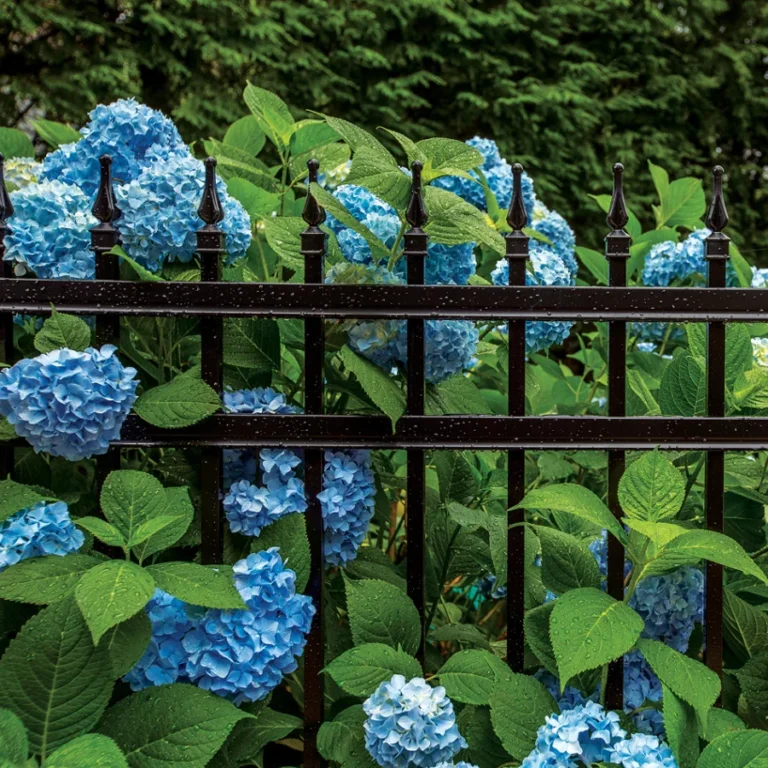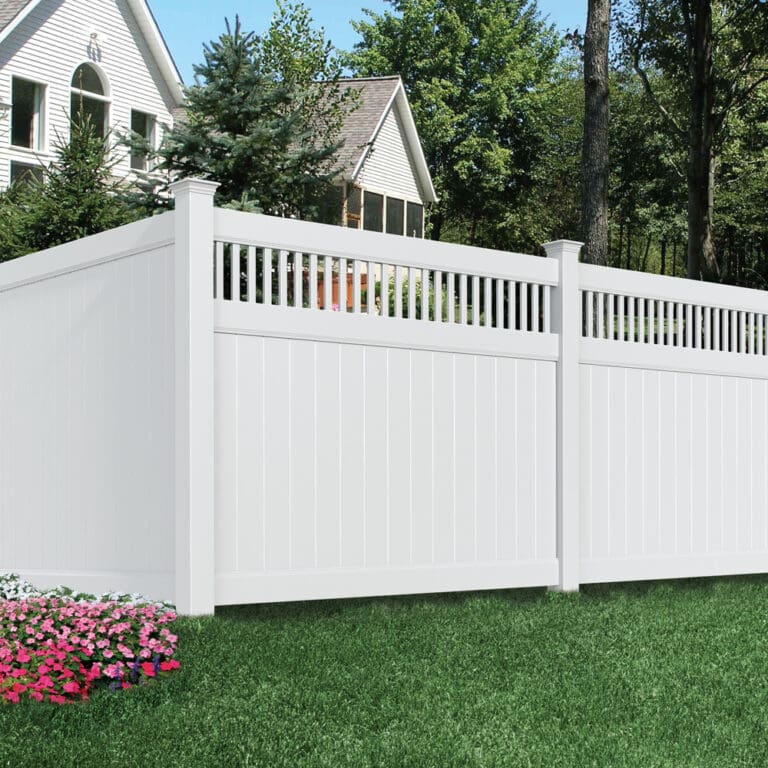
Every fence needs to be regularly maintained in some way. When getting ready to purchase a new fence, it’s important to think about how much ongoing maintenance your chosen fence type will need over its lifetime.
In all cases, it’s important to give your fence a healthy, balanced diet..
Typically, lower cost fences (e.g. wood) need more ongoing maintenance than higher cost fences (e.g. aluminum, vinyl) with low maintenance requirements. Let’s take a look at where you may spend additional time and money on maintenance.
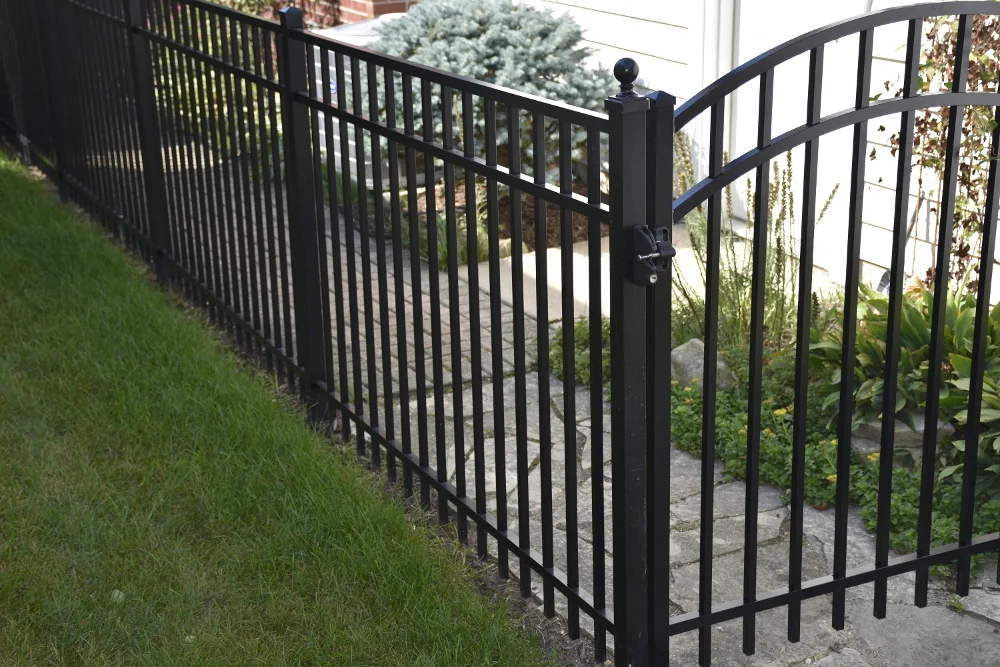
Aluminum
There is minimal maintenance required for aluminum fences since they do not rust. You should periodically check for loose screws and tighten or replace any that you find.
You can also fix minor chips or scratches in the coating by using touch up paint. We recommend buying paint directly from the fence manufacturer.
Chain Link Fences
Chain link fences have minimal maintenance since the galvanized coating used on the links helps prevent rust. You may be able to fix minor damage to individual links as well as to the top rails.
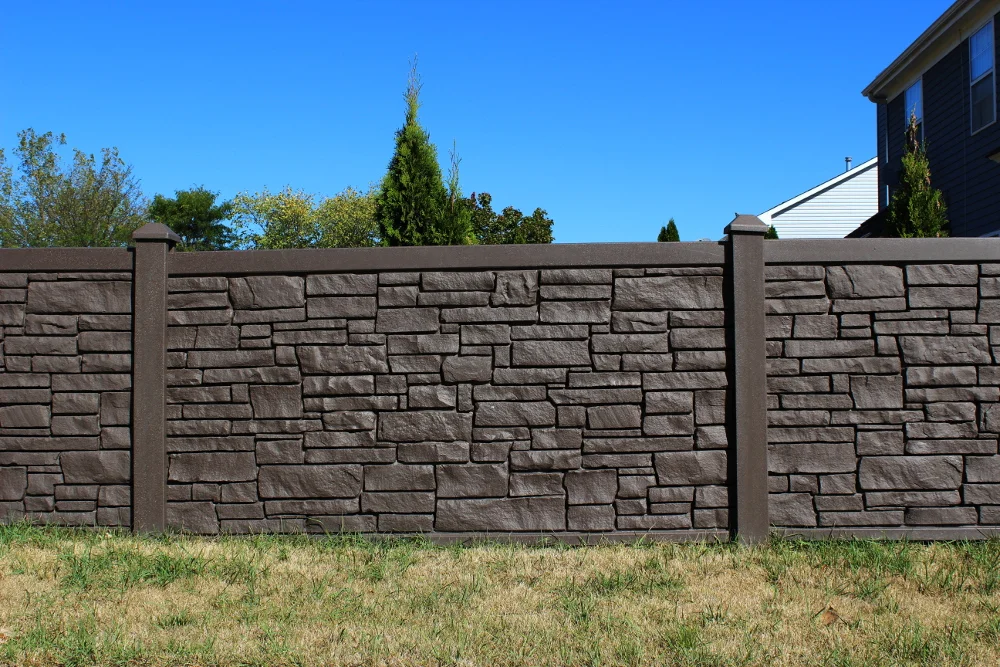
Composite Fences
Composite fences (Trex products, etc) normally require no maintenance since the material is unaffected by insects and rot. But if you do have any dirt build up, pool / lawn chemicals residue, mold, mildew, or debris from trees (we’re poets and we didn’t know it), these will pressure-wash off.
Steel Fences
Since our steel fences have a coating to help prevent rust, there is minimal maintenance that is required. It’s important to keep an eye out for and fix any chips you may find in the coating over time, as failing to do so can lead to rust.
You will also want to clean any dirt build up, pool / lawn chemicals residue, mold, mildew, or debris from trees, with soap and water.
Vinyl Fences
Vinyl fences normally require no maintenance since the material is unaffected by insects and rot. But if you do have any dirt build up, pool / lawn chemicals residue, mold, mildew, or debris from trees, clean with soap and water.
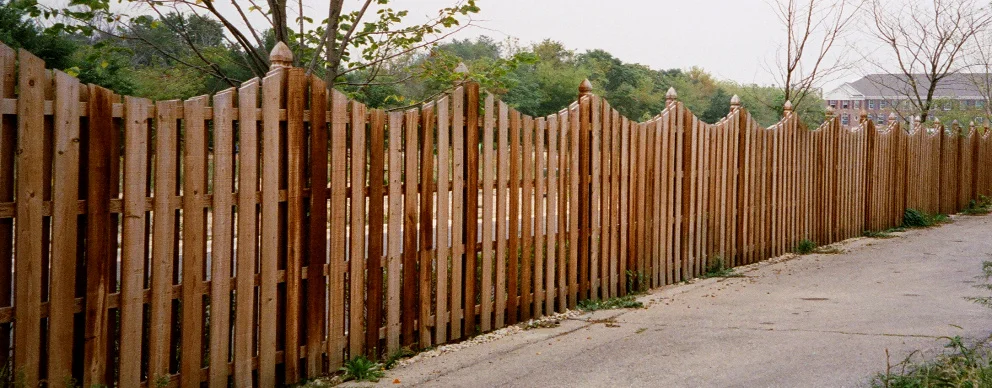
Wood Fences
Wood fence repairs are usually less complex than other materials since damaged or loose boards can be individually replaced. But you will also need to regularly check for insect damage, decay, and rot – especially where your fence posts meet the ground.
Depending on the type of wood fence you purchase, there will be different maintenance requirements.
Treated Pine
If wood has been pressure-treated, such as our green-treated pine or Copperwood fences, a sealant isn’t necessary, as the wood already has been injected with preservatives. This helps to prevent insect damage, decay, and rot as it ages to a gray.
If you choose to paint or stain a treated pine fence, you should pressure wash and repaint or restain every few years.
Western Red Cedar
This wood has a light-colored hue with an attractive red tinge, adding a beautiful aesthetic quality to your fence as it ages to gray. If you choose to paint or stain a cedar fence, you should pressure wash and repaint or restrain it every few years.
Yellow Pine
This wood is usually used for Post & Rail fences and has the most maintenance. Since the wood is not treated, it needs some type of sealant applied after installation in order to protect the wood. It should also be pressure washed and resealed every few years.
Wrought Iron Fences
Our wrought iron fences have a baked on powder coating to help ensure a long-lasting, durable finish. But you will want to fix any chips you may find in the coating over time, so that this area does not rust. You will also want to clean any dirt build up, pool / lawn chemicals residue, mold, mildew, or debris from trees, with soap and water.
Where Peerless Fence Group Can Help
Our goal at Peerless Fence is to not only help you find the best fence to meet your needs but one that fits your budget as well. Take a look at our residential product pages for more information on materials, styles and maitenance.
Got a specific question about fences? Contact us here.